






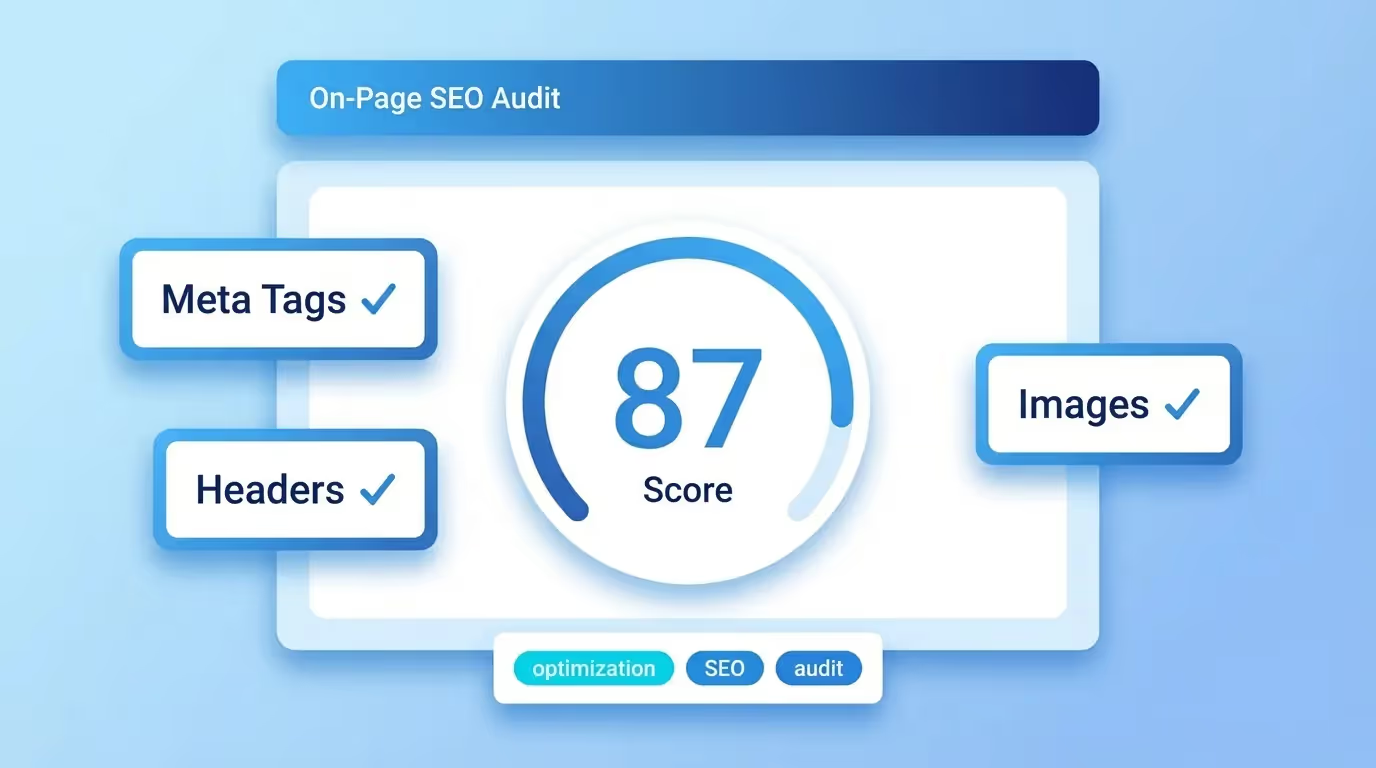
The AI SEO Audit performs a heuristic evaluation of any page and scores its readiness for AI-driven search, covering both Generative Engine Optimization (GEO) and Answer Engine Optimization (AEO). Enter a URL in the tool above to get your audit report in seconds.
What the audit checks
Traditional SEO audits focus on technical health, backlinks, and keyword density. An AI SEO audit goes further and asks a different question: can an AI model read this page, understand what it is about, extract a direct answer, and confidently cite it in a response? The tool above evaluates the following dimensions:
- Crawl access: is the page accessible to AI bots (GPTBot, Google-Extended, PerplexityBot)? Does robots.txt or a meta directive block them?
- Content structure: are headings logical and hierarchical? Are answers phrased as standalone statements an LLM can extract without surrounding context?
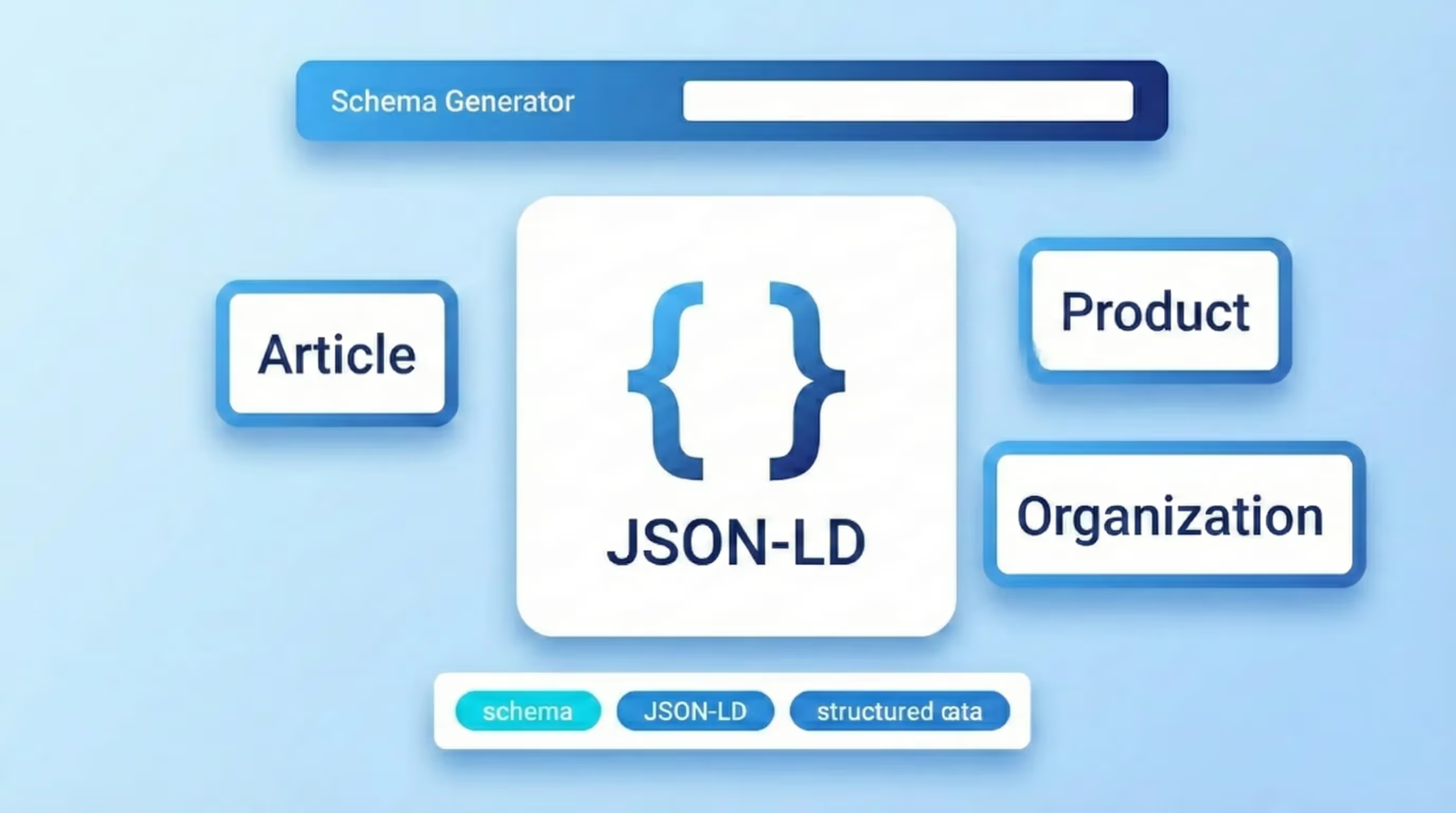
- Structured data: does the page use FAQ, Article, Organization, or other schema.org types that help AI models categorize the content?
- E-E-A-T signals: are there visible authorship, date, and source signals that AI models use to assess credibility?
- Entity clarity: are key entities (brand, product, location, topic) named clearly and unambiguously throughout the page?
- llms.txt compatibility: is the domain listed in or referenced by a llms.txt file?
- Page speed and rendering: heavy JavaScript or slow load times can prevent AI crawlers from fully rendering the page.
How to read your score and prioritize fixes
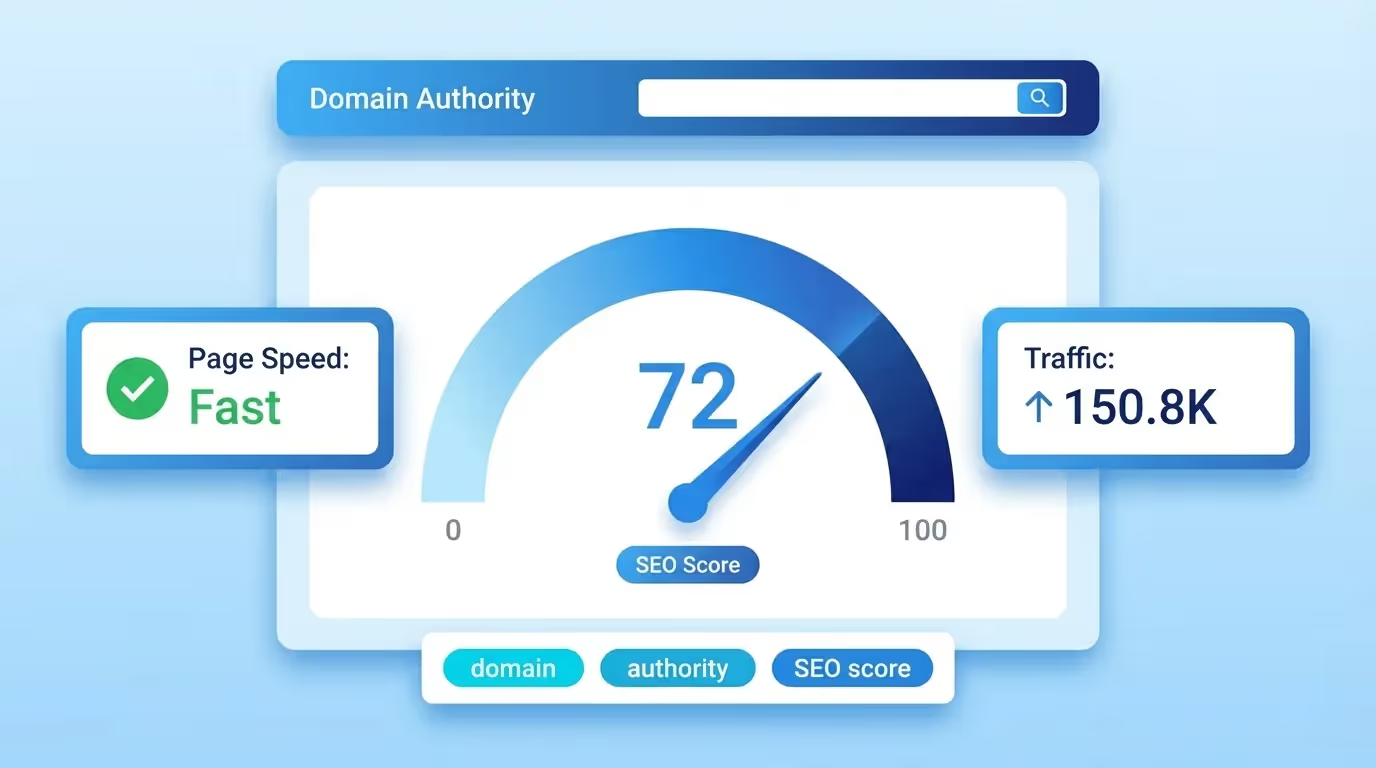
The audit produces a score from 0 to 100 broken into category scores. Use the following framework to prioritize:
- Score below 40 - critical issues: the page likely cannot be properly indexed by AI crawlers. Start with crawl access and content structure. These fixes unblock everything else.
- Score 40-70 - improvement zone: the page is indexed but not optimized for citation. Focus on structured data, entity clarity, and answer-ready formatting.
- Score above 70 - fine-tuning: address E-E-A-T signals and monitor citation rates with a GEO tracking tool. Small improvements here can lift share of voice across AI answers.
The highest-impact single fix in most audits is adding a well-formatted FAQ section with direct, concise question-answer pairs - these are the most frequently extracted elements in AI Overviews and LLM responses.
GEO vs. SEO: why both scores matter
A page can rank well in traditional search and still score poorly in GEO. Classic SEO rewards long-form content with high keyword density; AI models prefer dense, structured, answer-first writing. The audit flags content that is optimized for one mode but not the other, so you can update pages strategically rather than rewriting from scratch.
Benchmark: the AI search opportunity
Traffic arriving from AI search tools (ChatGPT, Perplexity) converts at roughly 7%, compared to approximately 2.6% for traditional organic search (First Page Sage, 2026). Users who arrive via an AI citation have already received a curated answer and click with high intent. Improving your GEO score is therefore also a conversion play, not only a visibility exercise.
To track your AI search visibility over time and across all major AI engines, Sorank provides continuous GEO monitoring for agencies and in-house teams.

















.webp)
.webp)










.svg)
.svg)